

Debuting Agentic Meeting Room Management with Neat Pulse MCP
Tormod Ree, Jun 16, 2026
AI agents are moving beyond answering questions and becoming more integrated into everyday workflows. Meeting rooms are now part of those workflows too.
AI tools can already explain things, summarize information, and answer questions. What’s new is their ability to interact directly with the systems where work happens.
Model Context Protocol (MCP) makes that possible. It allows AI agents, assistants and automated workflows to connect directly to the tools, platforms, and services organizations already use, reshaping how meeting rooms participate in work.
Meeting rooms join the workflow
At InfoComm 2026, we’re introducing Neat Pulse MCP.
MCP is an open standard that allows AI agents to retrieve information, take action, and coordinate workflows across connected systems.
Meeting rooms have traditionally existed outside those workflows. Neat Pulse MCP enables IT teams to manage Neat devices and rooms directly from the AI tools they already use, with access to the same actions and information available in Neat Pulse itself.
This isn’t a proprietary AI layer or a Neat-specific assistant. It’s an open standard applied to the infrastructure that runs modern meeting rooms.
What this looks like in practice
Here are three examples of how AI agents can help IT teams manage meeting rooms more efficiently.
1. The pre-all-hands sweep
Tuesday morning: a company-wide all-hands starts in three hours across four locations. You want to know whether every room is ready before people walk in.
You ask: “Are my meeting rooms in Atlanta, Seattle, New York, and Boston ready?”
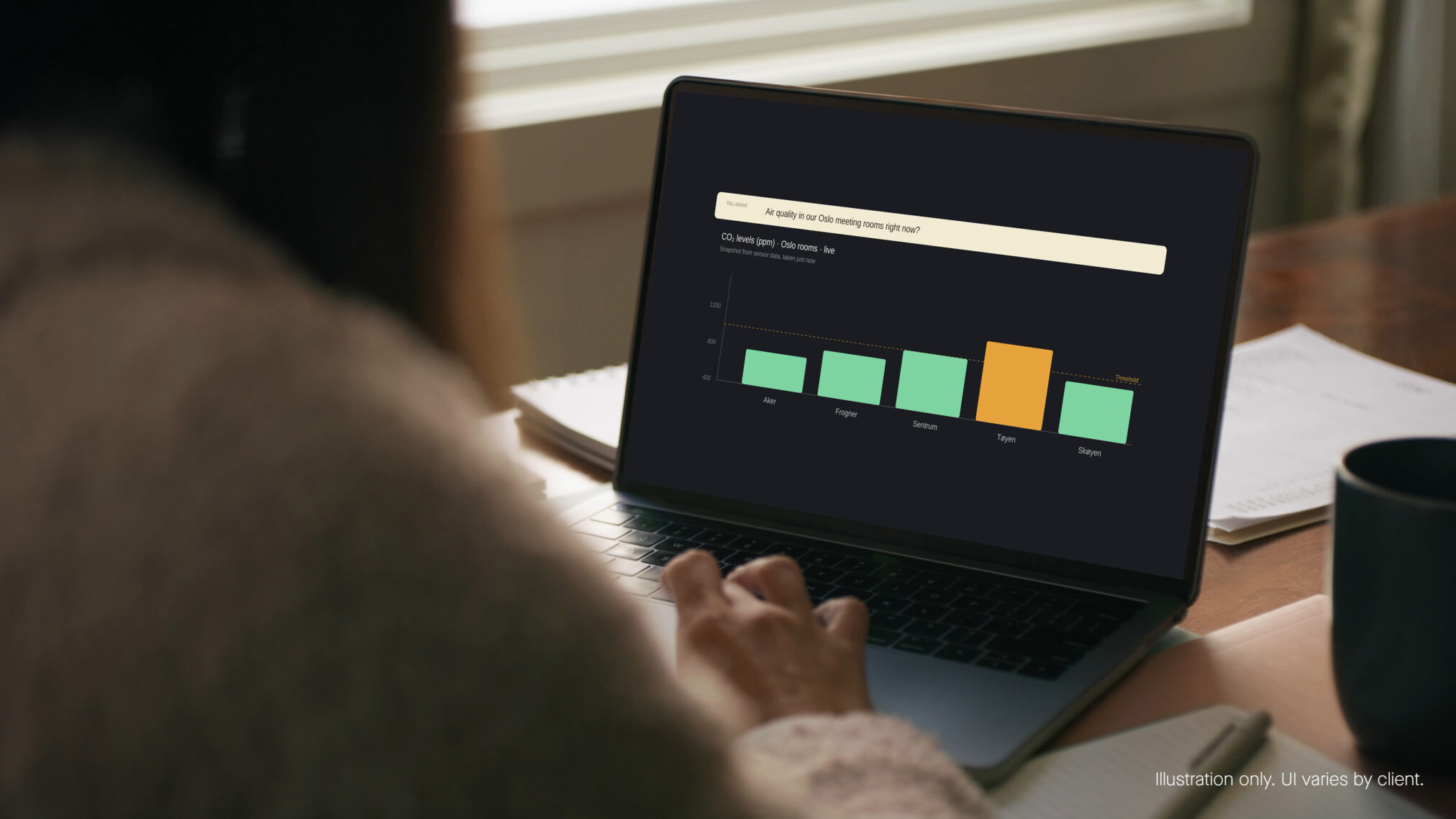
The AI agent checks device status, room health, connectivity, and sensor data across your locations. If something needs attention, it can take corrective action, flag anything it couldn’t resolve, and even display a welcome message in the room.
In seconds, you have a clear view of what’s ready, what was fixed automatically, and what still needs attention.
2. Set up a new office
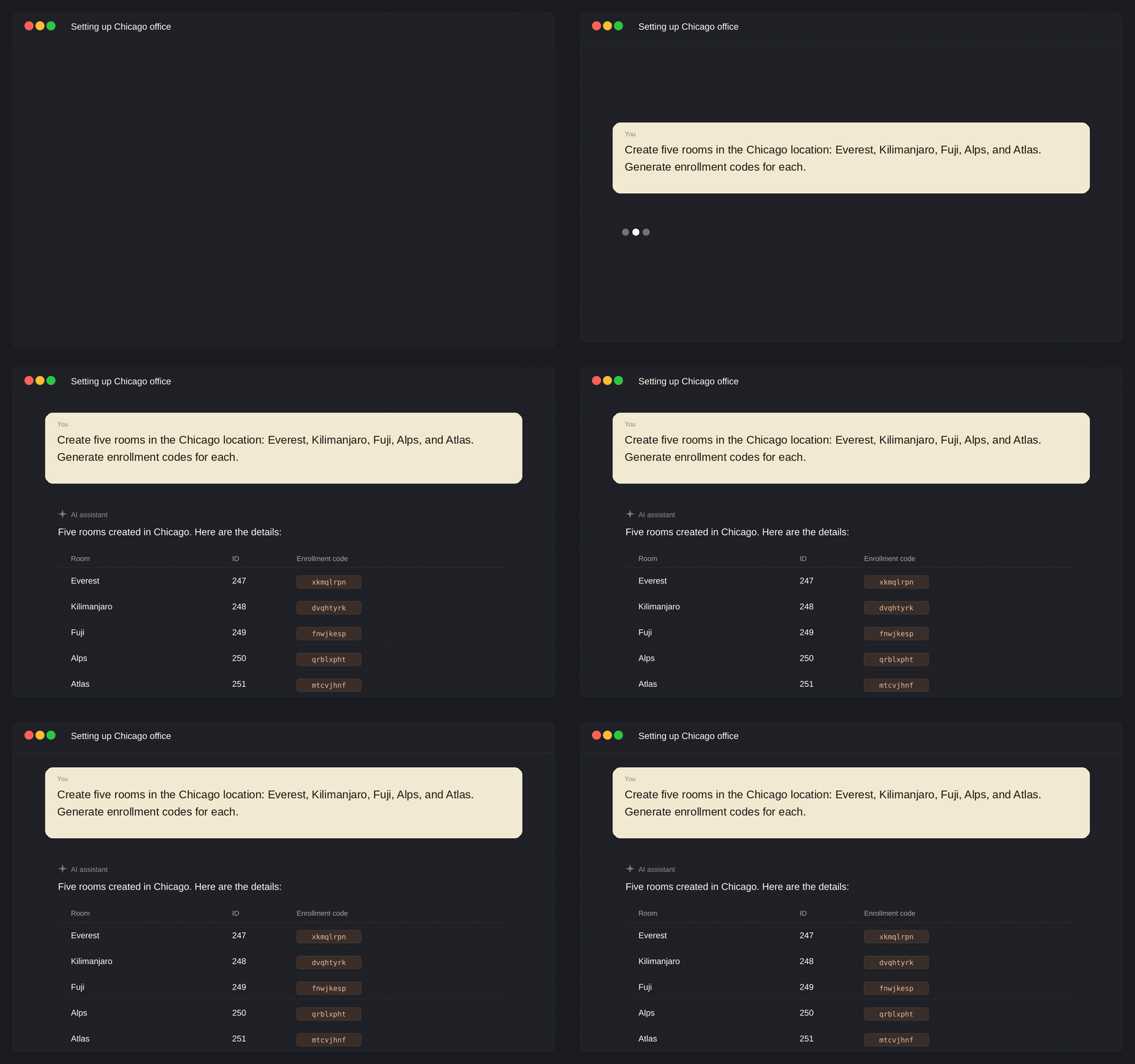
New office space next month. You need rooms in Neat Pulse, assigned to the right location with enrollment codes ready before the hardware arrives.
You say: “Create five rooms in the Chicago location: Everest, Kilimanjaro, Fuji, Alps, and Atlas, and assign them the USA configuration profile. Generate enrollment codes for each new room.”
The agent handles every step and confirms when it’s complete.
3. The daily device health check
You don’t want to open dashboards every morning. You want answers delivered where people are working.
You create a workflow: “At 6am every day, list all offline devices grouped by location, format it as a status report, and send it to me.”
Live data, structured output, and follow-up questions if something looks wrong. Your meeting rooms become part of how work moves forward.
When meeting rooms become proactive
A workflow that monitors room and IAQ sensor data, flagging issues before they affect comfort, air quality, or the meeting experience—and even displaying guidance in the room when action is needed. A nightly fleet-health summary posted automatically to your ops channel. Or a troubleshooting agent that correlates a Slack complaint with the device involved, pulls diagnoses, and takes the first corrective action before escalating the rest.
Meeting rooms become more integrated into operational workflows, helping teams stay ahead of issues instead of reacting to them. The goal isn’t more complexity, but less friction—so people can stay focused on the conversation instead of the technology around it.
Open infrastructure for modern ways of working
Neat Pulse MCP reflects how Neat approaches the future of workplace technology. Meeting room infrastructure should be open: open to platforms, open to AI experiences, and open to the tools organizations already rely on. That’s what Neat Open delivers for meetings—flexibility across platforms, experiences, and workflows. It’s what Neat Pulse MCP delivers for management.
Neat is among the first companies in the category to bring MCP-based management to meeting rooms.
Available today in beta
The locally-hosted beta, available now, includes device management, room configuration, room messages, and access to room, location, and sensor data.
Because the Neat Pulse MCP beta runs locally, it works with local MCP clients such as Claude Code and Gemini CLI.
- Listing and managing devices
- Rebooting hardware
- Creating and configuring rooms
- Generating enrollment codes
- Querying room, location, and sensor data
- Sending room messages
Setup takes about ten minutes.
Building for how work evolves
MCP is quickly becoming the infrastructure layer connecting AI tools to the systems running modern organizations. As workplaces evolve, organizations don’t want meeting rooms locked to a single platform, provider, or AI model. They want environments designed to adapt alongside changing needs. That’s why Neat Pulse MCP exists today, and why much more will follow.
Join Neat at InfoComm 2026 in Central Hall, Booth C10507, and see Neat Pulse MCP in action, or book a demo or speak with a Neat specialist.