

How to Build a Remote Work Culture That Works in 2026: Best Practices for Hybrid Teams
Hayley Spooner, Aug 3, 2026

Key takeaways
- A successful remote work culture is built through trust, communication, and shared values—not physical proximity.
- Great organizations measure outcomes, not employee visibility.
- Consistent communication helps remote, hybrid, and in-office employees stay connected and aligned.
- AI-powered collaboration tools reduce administrative work while helping teams communicate more effectively.
- Employee recognition, professional growth, and well-being are essential to long-term engagement.
- The right collaboration technology creates a consistent employee experience wherever people work.
Introduction
Remote work is no longer a temporary solution—it’s a permanent part of how many organizations operate.
Whether employees work from home full time, split their week between home and the office, or collaborate across multiple cities and countries, today’s workforce is more distributed than ever before.
While technology has made remote work easier, building a strong remote work culture requires much more than laptops and video conferencing software.
Culture is created through everyday experiences: how people communicate, solve problems, celebrate success, share knowledge, and support one another. Together, these interactions shape the overall employee experience, especially when people aren’t working in the same office every day. In distributed organizations, those experiences need to be designed intentionally.
Organizations with thriving remote work cultures don’t simply recreate office routines online. They build environments where employees feel trusted, connected, and empowered to do their best work—wherever they’re located.
This guide explains what remote work culture is, why it matters, and the practical strategies organizations can use to create stronger, more connected hybrid teams in 2026.
What is remote work culture?
Remote work culture is the shared set of values, behaviors, communication practices, and experiences that shape how distributed employees work together.
Many people associate company culture with a physical office, but culture isn’t defined by where employees work. It’s defined by how they interact with one another.
Whether communication happens through video meetings, messaging platforms, collaborative documents, or one-on-one conversations, every interaction contributes to workplace culture.
A healthy remote work culture helps employees understand:
- How the organization communicates.
- How decisions are made.
- What behaviors are encouraged.
- How success is measured.
- How colleagues collaborate and support one another.
Strong culture also extends beyond productivity.
It influences whether employees feel connected to their teammates, understand the company’s mission, and believe they have opportunities to grow regardless of where they work.
In today’s hybrid workplace, remote work culture isn’t just about supporting employees who work from home—it’s about creating a consistent experience for everyone, whether they’re remote, in the office, or working in a hybrid model.
Why remote work culture matters
A strong remote work culture helps employees stay engaged, connected, and motivated—no matter where they work.
When employees don’t share the same office every day, organizations can’t rely on hallway conversations or in-person interactions to strengthen relationships.
Instead, culture becomes one of the biggest drivers of collaboration, engagement, innovation, and long-term business success.
Strong culture increases employee engagement
Employees who understand their organization’s values and feel connected to their colleagues are more likely to stay engaged in their work.
That often leads to:
- Better collaboration.
- Higher motivation.
- Greater accountability.
- Stronger innovation.
- Better customer experiences.
Engaged employees are also more likely to contribute new ideas, support their teammates, and stay committed to organizational goals.
It improves employee retention
People stay where they feel connected, supported, and valued.
Remote employees who rarely interact with colleagues or receive recognition can gradually become disengaged.
Organizations that invest in regular communication, career development, recognition, and meaningful connections are better positioned to retain top talent.
Collaboration becomes more intentional
In a traditional office, collaboration often happens naturally.
Remote work requires organizations to create those opportunities intentionally.
Teams need structured ways to exchange ideas, solve problems together, and share knowledge regardless of location.
This often leads to clearer communication, better documentation, and more thoughtful decision-making.
Employee well-being becomes a competitive advantage
Remote work offers flexibility, but it can also blur the boundaries between work and personal life.
Organizations that encourage healthy work habits, realistic workloads, flexible schedules, and regular manager check-ins are more likely to build resilient, high-performing teams.
Supporting employee well-being isn’t just good for people—it’s good for business.
8 Ways to Build a Remote Work Culture That Works
Strong culture doesn’t happen by accident. It grows through consistent leadership, clear communication, and shared experiences.
The following best practices can help organizations build a remote work culture where employees feel connected, supported, and empowered to do their best work.
1. Build Trust by Giving Employees Autonomy
One of the biggest mistakes organizations make is assuming remote employees need closer supervision than office-based employees.
In reality, successful remote work cultures are built on trust—not constant monitoring. Creating an environment of psychological safety allows employees to share ideas, ask questions, and take ownership of their work without fear of blame or criticism.
Instead of measuring:
- Hours online.
- Status indicators.
- Time spent at a desk.
2. Create Clear Communication Habits
Consistent communication creates confidence across distributed teams.
Without face-to-face interaction every day, employees need clear expectations about how communication works.
Establish team guidelines for:
- Which communication channels to use.
- Expected response times.
- Meeting etiquette.
- Documentation standards.
- How decisions are communicated.
Clear communication reduces confusion, minimizes unnecessary interruptions, and helps employees spend less time searching for information.
It also creates a more consistent experience as teams grow and new employees join the organization.
3. Make Recognition Visible
Recognition shouldn’t depend on who happens to be in the office.
Employees working remotely deserve the same opportunities to be recognized for their contributions and celebrate team successes.
Consider recognizing:
- Project milestones.
- Customer wins.
- Team accomplishments.
- Peer recognition.
- Professional development achievements.
Making recognition visible strengthens company culture while reinforcing the behaviors that contribute to organizational success.
4. Prioritize Employee Well-Being
Healthy employees build healthy organizations.
Remote work provides greater flexibility, but it also makes it easier for work to spill into evenings, weekends, and personal time.
Organizations can support employee well-being by encouraging:
- Flexible work schedules where appropriate.
- Regular breaks throughout the day.
- Realistic meeting schedules.
- Dedicated time for focused work.
- Healthy boundaries between work and personal life.
Managers also play a critical role by checking in with employees regularly, discussing workloads, and making sure team members feel supported instead of overwhelmed.
5. Invest in Learning and Professional Development
Employees should have the same opportunities to learn and grow regardless of where they work.
One of the biggest risks of remote work is that employees can feel disconnected from informal learning opportunities that naturally happen in an office. Managers should create structured opportunities for professional development so everyone has equal access to coaching, mentoring, and career progression.
This can include:
- Online training and certification programs.
- Cross-functional projects.
- Virtual mentoring.
- Leadership development.
- Regular career conversations.
- Knowledge-sharing sessions.
Investing in employee growth demonstrates a long-term commitment to your people while helping organizations retain valuable talent.
6. Bring People Together Intentionally
Relationships don’t develop automatically when people work remotely.
Successful organizations create opportunities for employees to connect beyond project work.
This doesn’t mean filling calendars with virtual social events. Instead, it’s about creating meaningful opportunities for people to build relationships and strengthen trust.
Examples include:
- Virtual coffee chats.
- Team celebrations.
- Employee recognition events.
- Cross-functional workshops.
- Annual or quarterly in-person gatherings where appropriate.
Strong relationships improve collaboration, increase engagement, and make distributed teams more resilient.
7. Use AI to Remove Everyday Friction
AI is changing how organizations collaborate by reducing repetitive work and helping employees focus on higher-value activities.
Rather than replacing people, AI supports better communication and decision-making by simplifying everyday tasks.
Organizations increasingly use AI to:
- Generate meeting summaries.
- Capture action items.
- Organize knowledge.
- Search internal information.
- Draft routine communications.
- Support project planning.
Used thoughtfully, AI allows employees to spend less time on administration and more time collaborating, solving problems, and serving customers.
8. Design Your Culture for Hybrid Work
Many organizations no longer have fully remote or fully office-based workforces.
Instead, they support employees who move between home, the office, and other locations throughout the week.
This means remote work culture should never focus exclusively on remote employees.
Instead, leaders should build one culture that works for everyone.
That includes:
- Inclusive meetings.
- Equal access to information.
- Consistent communication.
- Fair recognition.
- Equal opportunities for development.
- Shared organizational values.
The goal is a culture where location doesn’t determine the employee experience.
Remote Work Culture Checklist
Building a strong remote work culture requires consistent attention across every part of the employee experience.
| Area | Best practice |
| Leadership | Empower employees through trust and autonomy |
| Communication | Establish clear communication guidelines |
| Meetings | Design inclusive meetings for remote and in-office employees |
| Recognition | Celebrate achievements consistently |
| Learning | Invest in ongoing professional development |
| Well-being | Encourage healthy work habits and boundaries |
| Technology | Provide reliable collaboration tools that are easy to use |
Common Mistakes That Weaken Remote Work Culture
Even organizations with strong leadership can unintentionally create barriers for remote employees.
Some of the most common mistakes include:
Measuring visibility instead of results
Employees shouldn’t feel they need to be constantly online to demonstrate productivity.
Focus on outcomes rather than activity.
Creating an office-first culture
Remote employees should have the same access to information, recognition, and opportunities as colleagues working from the office.
Holding too many meetings
Not every discussion needs a video call.
Encourage asynchronous collaboration where appropriate to give employees more uninterrupted time for focused work.
Failing to document decisions
Important conversations shouldn’t live only in meetings.
Document decisions, processes, and action items so everyone can access the same information regardless of time zone or location.
Neglecting employee well-being
Ignoring workload, burnout, or work-life boundaries can gradually erode engagement and increase turnover.
Managers should regularly check in with employees and encourage healthy working habits.
Trends Shaping Remote Work Culture in 2026
Remote work continues to evolve as organizations rethink how people collaborate.
Several trends are influencing workplace culture.
AI-assisted collaboration
AI is helping employees automate repetitive tasks, summarize meetings, organize information, and improve knowledge sharing across distributed teams.
Asynchronous-first communication
Organizations are relying less on meetings and more on shared documentation, recorded updates, and collaborative workspaces that allow employees to contribute when it suits them.
Digital employee experience
Organizations are placing greater emphasis on creating seamless digital experiences that make collaboration simple, intuitive, and consistent regardless of location.
Continuous learning
Professional development is becoming more integrated into everyday work through on-demand learning, coaching, and knowledge sharing.
Inclusive hybrid workplaces
Organizations are increasingly designing experiences that support employees equally whether they’re working remotely, from the office, or somewhere in between.
Where Neat Fits In
Creating a successful remote work culture depends on giving employees the tools to collaborate naturally wherever they work.
For individual professionals, Neat Frame is purpose-built for personal video collaboration. Its portrait-oriented display, intelligent camera, and premium audio create a more engaging experience for one-on-one meetings, coaching conversations, and focused daily collaboration.
When teams come together in hybrid meeting spaces, Neat Bar Generation 2 delivers intelligent video, adaptive microphone technology, and premium audio that help remote and in-room employees participate equally.
For workshops, planning sessions, and collaborative meetings, Neat Board 50 combines video conferencing, wireless content sharing, digital whiteboarding, and an immersive multi-touch display, making it easy for distributed teams to collaborate visually.
Supporting every meeting are Neat Experiences—a suite of proprietary AI-powered technologies that continuously optimize framing, audio, and video to create more inclusive and natural collaboration without requiring users to manage the technology themselves.
Organizations that use multiple collaboration platforms can benefit from Neat Open, giving them the flexibility to choose the meeting applications that best fit their workflows while maintaining a consistent user experience.
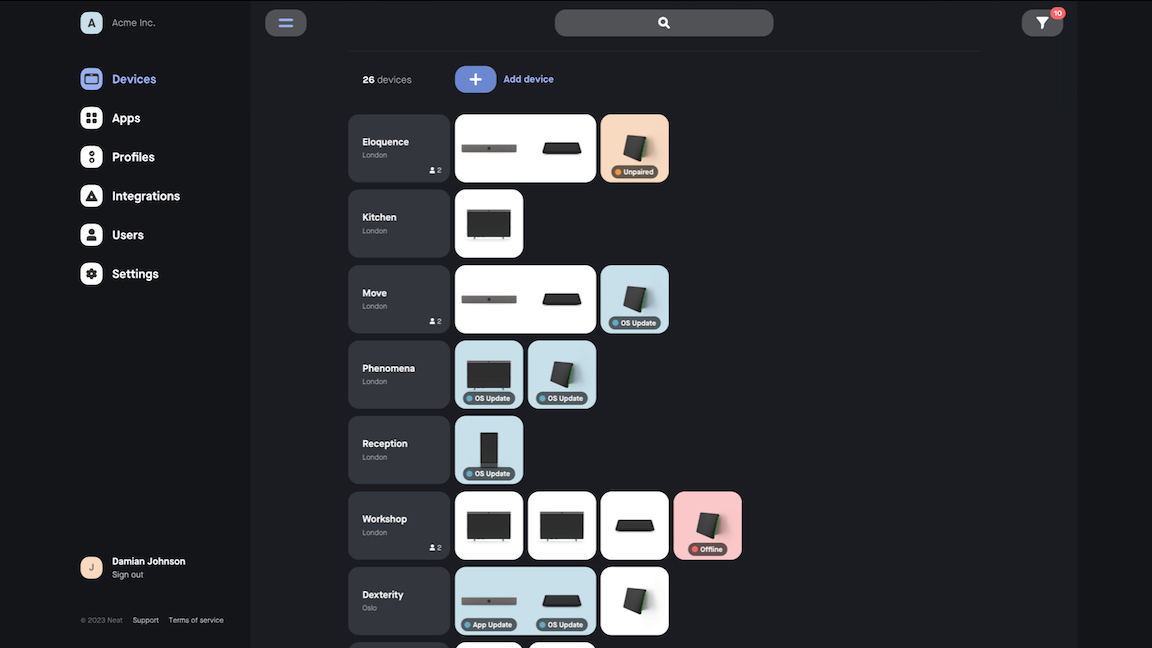
For IT teams managing devices across multiple offices, Neat Pulse provides centralized device management, remote monitoring, and software updates to help maintain reliable collaboration across distributed workplaces.
Together, these solutions help organizations create remote work cultures where employees can communicate effectively, collaborate confidently, and stay connected regardless of location.
Perhaps it’s time to book a demo and experience them for yourself.
Frequently Asked Questions
What is remote work culture?
Remote work culture is the shared set of values, behaviors, communication practices, and experiences that shape how employees collaborate when working from different locations.
How do you build a successful remote work culture?
Start by building trust, establishing clear communication practices, recognizing employee achievements, supporting well-being, investing in professional development, and creating inclusive collaboration experiences for both remote and in-office employees.
Why is remote work culture important?
A strong remote work culture improves employee engagement, collaboration, retention, innovation, and overall business performance by helping employees feel connected to their colleagues and the organization’s mission.
How do you keep remote employees engaged?
Provide regular feedback, recognize achievements, encourage professional growth, create opportunities for social connection, and ensure employees have the tools they need to collaborate effectively.
Can AI improve remote work culture?
Yes. AI can automate administrative tasks, summarize meetings, organize information, and support knowledge sharing, allowing employees to spend more time collaborating and solving meaningful problems.
What’s the difference between remote work culture and hybrid work culture?
Remote work culture focuses on employees working from different locations, while hybrid work culture supports employees who divide their time between remote locations and the office. The strongest organizations build one culture that works equally well for both.
What technology supports remote work culture?
Reliable video collaboration, digital whiteboards, messaging platforms, shared documentation, AI-powered collaboration tools, and intuitive meeting room technology all help create stronger remote work experiences.
How do managers build trust in remote teams?
Trust is built through clear expectations, consistent communication, regular coaching, outcome-based performance management, and giving employees the autonomy to manage their work.
Sources
- Employee Experience, Qualtrics XM Institute, https://www.qualtrics.com/experience-management/employee/
- Psychological Safety at Work, Center for Creative Leadership (CCL), https://www.ccl.org/articles/leading-effectively-articles/psychological-safety-at-work/
- Flexible Work, Society for Human Resource Management (SHRM), https://www.shrm.org/topics-tools/topics/flexible-work